
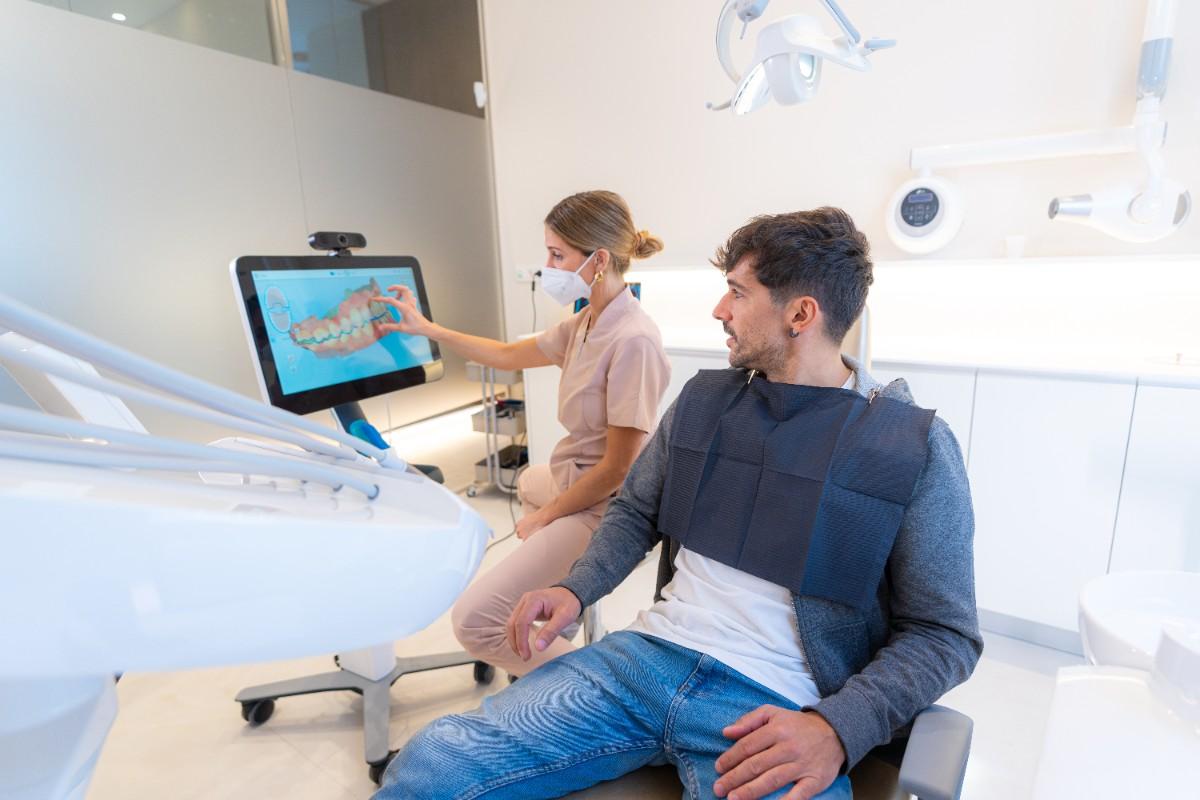
Full arch restoration Wilmington patients ask about may help replace a full upper or lower arch of missing or failing teeth to improve chewing, speech, appearance, and bite support. Full-arch restoration may involve dentures, implant-supported dentures, or implant-supported fixed teeth depending on oral health. In Wilmington, planning usually includes evaluating gum health, bone support, remaining teeth, bite pressure, healing ability, and whether gum disease or other concerns need treatment first.
Major tooth loss can change the way a person eats, speaks, and feels throughout the day. Some patients avoid certain foods because chewing feels unstable. Others worry about loose dentures, failing teeth, or a bite that no longer feels balanced. These concerns can make full-mouth planning feel overwhelming.
For patients exploring full arch restoration in Wilmington, the main question is often what type of replacement can rebuild function in a practical way. Full-arch restoration does not mean the same plan for every patient. At Wilmington Family Dental, the process may begin with a careful look at gum health, bone support, remaining teeth, bite, and daily needs before options are discussed.
What Full Arch Restoration Means
Full arch restoration refers to replacing or rebuilding an entire upper or lower arch of teeth. This may involve a full denture, implant-supported denture, fixed implant-supported restoration, or another full-mouth plan.
The goal is to restore function across the whole arch instead of treating one missing tooth at a time. This can matter when many teeth are missing, loose, worn, decayed, or no longer predictable.
Full-arch restoration is a broader term than full-arch implants. Implants may be part of the plan, but they are not the only possible option.
When Full-Arch Restoration May Be Discussed
A full-arch plan may be discussed when most or all teeth in an arch are missing. It may also be considered when remaining teeth are failing, painful, loose, infected, or difficult to restore individually.
Some patients already wear dentures but want to understand whether better support is possible. Others have natural teeth but have been told that several may need removal.
The right plan depends on whether teeth can be saved, how healthy the gums are, how much bone is present, and what the patient can maintain over time.
How Gum Disease Can Affect Planning
Gum Disease Wilmington concerns can play a major role in full-arch restoration. Gum disease may affect the bone and tissue that support natural teeth. If teeth have lost too much support, restoration planning may change.
Active gum infection or inflammation should be evaluated before major tooth replacement. Gum health affects healing, implant planning, denture fit, and long-term maintenance.
If gum disease is present, treatment may be needed before or during the restoration process. The goal is to create a healthier foundation for whatever option is chosen.
How Implants May Support a Full Arch
Full arch dental implants Wilmington, MA patients consider may involve several implants supporting a full set of replacement teeth. Implants can add stability in selected cases, especially when compared with some traditional dentures.
Implants are not always possible or necessary. They require enough bone support, healthy gums, and good healing ability. Medical history, smoking, medications, and bite pressure may affect candidacy.
A patient who is not suited for fixed full-arch implants may still have other options, such as removable dentures or implant-supported dentures.
Dental Implants and Larger Restoration Plans
Dental implants Wilmington patients ask about may include single implants, multiple implants, or implant-supported full-arch restorations. The difference is the size and complexity of the plan.
Replacing one missing tooth focuses on one space. Full-arch restoration focuses on the full bite relationship, facial support, speech, chewing, and cleaning access.
This broader planning is why full-arch care should begin with a complete evaluation. The final teeth must work with the jaw, gums, muscles, and bite.
Why Bite Support Matters
A full arch of teeth must work with the opposing arch. If the bite is uneven, certain areas may take too much pressure. This can affect comfort and long-term maintenance.
Patients who grind or clench may need special planning. Bite pressure can affect dentures, implant restorations, screws, attachments, and natural teeth in the opposing arch.
The dentist may evaluate how the jaw closes, where the pressure is highest, and how replacement teeth should be shaped. A balanced bite can make eating feel more stable.
Everyday Improvements Patients Often Want
Patients usually ask about full-arch restoration because they want daily life to feel easier. The benefits depend on the treatment type, oral health, and maintenance.
Full-arch restoration may help with:
- Replacing many missing or failing teeth
- Supporting chewing ability
- Helping with speech clarity in some cases
- Improving facial and lip support
- Creating a fuller smile appearance
- Reducing movement of replacement teeth in selected plans
- Restoring a more organized bite
- These benefits are not guaranteed. The right outcome depends on evaluation, healing, fit, care habits, and follow-up.
What Happens During a Full-Arch Consultation
A consultation usually begins with a detailed conversation about eating, speaking, discomfort, denture fit, loose teeth, medical history, and goals. Patients should share what feels difficult in daily life.
The dentist may examine gums, remaining teeth, bone support, bite, jaw relationship, and oral tissues. X-rays or imaging may be recommended to understand what support is available.
After the evaluation, the dentist may explain whether teeth can be saved, whether extractions are needed, whether implants are possible, and what restoration options may fit.
What the Treatment Process May Include
Full-arch restoration can happen in several stages. Some patients need gum disease treatment first. Others may need damaged teeth removed. Dentures, temporary teeth, implants, or final restorations may be planned based on the case.
Healing time may be needed after extractions or implant placement. Temporary options may be discussed while the mouth heals.
After the final restoration is made, follow-up visits help check fit, bite, comfort, and cleaning. Adjustments may be needed as the mouth adapts.
Local Patient Review
“I had trouble chewing and did not know if dentures or implants made more sense. The visit helped me understand the difference between the options.”
Rebuilding Function with a Plan That Fits
Full-arch restoration should be planned around comfort, chewing, speech, oral health, and long-term maintenance. For patients in Wilmington facing major tooth loss or failing teeth, Wilmington Family Dental can help explain which restoration options may make sense after evaluation.
Frequently Asked Questions
What is full arch restoration Wilmington patients ask about?
It means replacing or restoring an entire upper or lower arch of teeth. Options may include dentures, implant-supported dentures, or fixed implant restorations.
Is full arch restoration the same as full arch implants?
Not always. Full-arch implants are one option, while full arch restoration can include several types of tooth replacement plans.
Who may need full arch restoration?
Patients missing most or all teeth in one arch, or those with many failing teeth, may be evaluated. Suitability depends on oral health and treatment goals.
Can gum disease affect full arch restoration?
Yes, gum disease can affect tooth support, healing, implant candidacy, and maintenance. Gum health may need treatment before restoration planning.
Are dental implants always needed?
No, implants are not always needed or suitable. Some patients may use dentures or other replacement options based on bone, gums, health, and goals.
How long does full arch restoration take?
Timing varies based on extractions, healing, implants, denture planning, and final restoration design. Your dentist can explain the likely stages after evaluation.
Will full arch restoration help chewing?
It may help restore chewing support, depending on the type of restoration and how well it fits. The bite and maintenance plan also matter.
How do I care for full arch replacement teeth?
Care depends on the restoration type. Dentures, implant-supported teeth, and fixed restorations each require specific cleaning and follow-up routines.