
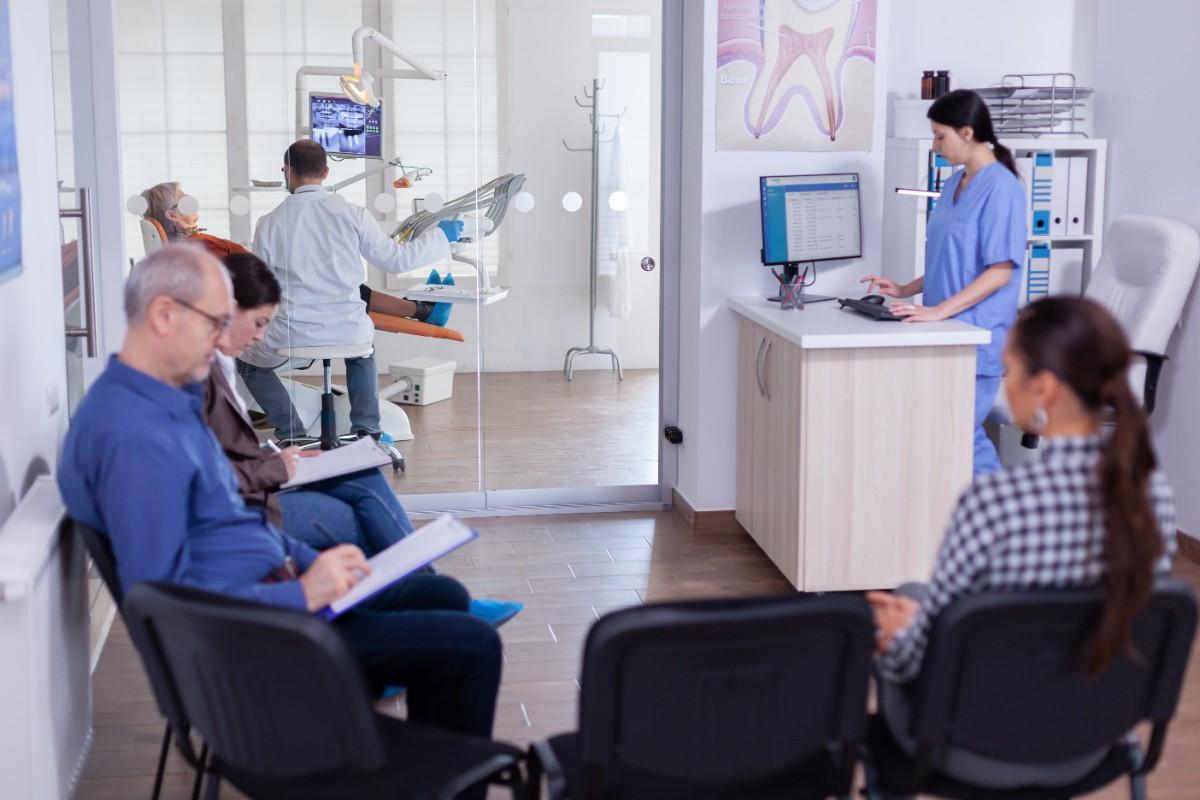
Searching for the best dentist in Wilmington usually means looking for a dental office that offers clear communication, preventive care, comfort, practical treatment options, and long-term oral health guidance. The right fit depends on each patient’s needs, dental history, comfort level, and goals. Patients in Wilmington should look for care that explains findings clearly, helps prioritize treatment, supports prevention, and recommends options based on evaluation rather than pressure.
People search for a dentist for different reasons. Some want a new dental home in Wilmington. Others have bleeding gums, a missing tooth, a chipped front tooth, or dental work that needs attention. A search for the best dentist in Wilmington is often less about a label and more about finding care that feels clear and dependable.
For patients comparing local options, Wilmington Family Dental may be part of the conversation when they want practical explanations and a calm approach to treatment planning. The best dental fit should help patients understand what is happening in their mouth, what needs attention first, and what choices may support long-term oral health.
Why “Best Dentist” Means Something Different for Each Patient
One patient may want regular cleaning and prevention. Another may need help with gum disease, dental implants, veneers, or tooth sensitivity. Someone else may feel nervous because they have not visited a dentist in years.
The best fit depends on needs and comfort. A helpful dental office should listen, evaluate, explain, and guide patients through options.
Good care should not feel rushed. Patients should have enough information to understand the reason behind any recommendation.
Clear Communication Builds Trust
Dental care can feel confusing when patients hear terms like periodontal disease, bone loss, implant support, or enamel wear without explanation. A dentist should explain findings in simple language.
If gum pockets are deep, patients should know what that means. If a tooth is cracked, they should understand why it matters. If veneers or implants are discussed, patients should know what oral health factors affect suitability.
Clear communication helps patients make decisions without guessing. It also helps separate urgent needs from long-term planning.
Prevention Should Be Part of the Fit
A patient searching for the best dentist Wilmington, MA may want a place that helps prevent problems, not only treat them after pain begins. Preventive care includes exams, cleanings, gum checks, cavity screening, oral hygiene guidance, and monitoring of dental work.
Many dental problems start quietly. A cavity may not hurt at first. Gum disease may begin with mild bleeding. Filling may weaken before it breaks.
Routine visits help detect these changes earlier. This can make treatment planning clearer and may reduce the chance of urgent symptoms.
Comfort Matters More Than Patients Sometimes Say
Dental anxiety is common. Some patients worry about discomfort, cost discussions, embarrassment, or not knowing what will happen during treatment. A good dental experience should respect those feelings.
Comfort can come from clear explanations, steady pacing, and time for questions. Patients should not feel judged for delayed care or dental concerns.
A dental office that listens to can help patients feel more prepared. This can make future visits easier to keep.
Cosmetic Goals Should Start with Oral Health
Patients interested in veneers in Wilmington, MA may want to improve chips, stains, worn edges, or tooth shape. Cosmetic options can be helpful, but they should begin with a dental exam.
Teeth and gum should be healthy before cosmetic care. Bite pressure, enamel, gum health, and existing restorations all affect whether veneers are suitable.
A good cosmetic discussion should compare options honestly. Whitening, bonding, veneers, orthodontic care, or crowns may each fit different concern.
Tooth Replacement Needs Careful Planning
Patients asking about dental implants in Wilmington, MA may be looking for a long-term way to replace missing teeth. Implants may support crowns, bridges, or dentures in selected cases.
Implants need healthy gums, enough bone support, good healing ability, and careful planning. They are not right for everyone. Bridges, dentures, or full-arch options may also be discussed.
The right dentist should explain why one replacement option may fit better than another based on the patient’s mouth, not only preference.
Gum Health Should Not Be Overlooked
Gum health affects almost every part of dental care. Bleeding, swelling, recession, bad breath, or loose teeth may suggest gum disease or periodontal concerns.
Patients with gum disease may need treatment before cosmetic or implant care. Healthy gums help support teeth and restorations.
A strong dental office should check gum pocket depths, bleeding, plaque buildup, and bone support when needed. These details help guide long-term care.
Signs You Found a Good Dental Fit
The right dental office should help patients feel informed and respected. It should also explain care in a way that matches the patient’s needs.
Helpful signs may include:
- Clear explanations of findings
- Preventive guidance
- Respect for dental anxiety
- Treatment options based on evaluation
- Gum health monitoring
- Support for cosmetic questions
- Thoughtful tooth replacement planning
- Clear follow-up recommendations
- These signs matter because dental care is often ongoing. Patients need a place where they feel comfortable returning.
What to Expect at a First Visit
A first visit usually begins with a review of health history, medications, dental concerns, and past care. Patients may mention bleeding gums, sensitivity, missing teeth, cosmetic goals, jaw soreness, or old dental work.
The dentist may examine the teeth, gums, bites, and oral tissues. X-rays may be recommended based on symptoms, risk level, and when the last images were taken.
After the exam, patients should receive a clear explanation. The next step may be routine care, periodontal treatment, restorative planning, cosmetic discussion, or monitoring.
Local Patient Review
“I wanted a dentist who would explain things clearly instead of rushing through the visit. I left knowing what needed attention and what could be watched.”
Choosing Dental Care with More Confidence
The right dental fit should make oral health easier to understand, not more confusing. For patients in Wilmington comparing preventive, cosmetic, gum health, or tooth replacement options, Wilmington Family Dental can help explain the next step after a complete evaluation.
Frequently Asked Questions
What does best dentist Wilmington mean for local patients?
It usually means finding dental care that fits your needs, explains options clearly, supports prevention, and helps you feel informed during treatment planning.
How do I choose a dentist in Wilmington?
Look for clear communication, preventive care, gum health evaluation, treatment options, comfort, and a dental team that answers your questions.
Should I choose a dentist only by location?
Location is helpful, but it should not be the only factor. Comfort, communication, prevention, and treatment planning also matter.
Can a dentist help with both veneers and gum disease?
A dentist can evaluate cosmetic goals and gum health. Gum disease may need treatment before veneers or other cosmetic care is considered.
Are dental implants right for everyone?
No, implants depend on gum health, bone support, medical history, healing ability, and bite pressure. A dental evaluation is needed.
What should I ask for on my first visit?
Ask what was found, what needs to be taken first, what can be monitored, and how to protect your teeth and gums at home.
How do I know if a treatment recommendation is urgent?
Your dentist should explain whether the concern involves pain, infection risk, tooth weakness, gum disease progression, or long-term planning.
What if I feel nervous about dental care?
Tell the dental team before the visit begins. Clear explanations, breaks, and step-by-step guidance can help make care feel more manageable.